
Anandalakshmi Ayurveda Retreat
Holistic Wellness Through Ayurveda: A Complete Approach to Balancing Mind, Body and Soul
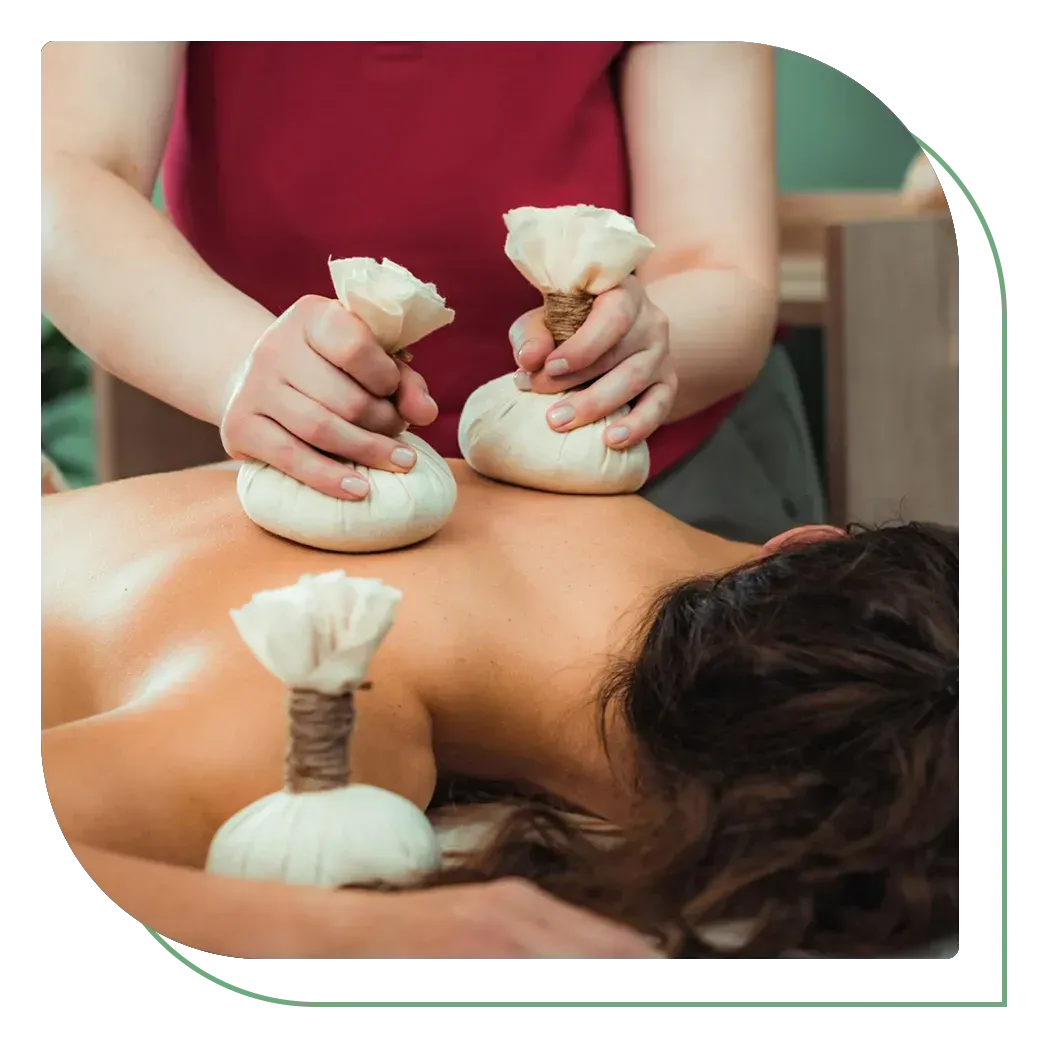
Ayurveda becomes unnecessarily complicated when it is reduced to oils, herbs, dosha charts and a catalogue of therapies. Those things have their place, certainly. But the older clinical logic begins somewhere quieter: how a person sleeps, digests, eats, works, rests, thinks and responds to the environment around them.
That is where Holistic Wellness becomes meaningful rather than decorative language.
A person may arrive at an Ayurveda centre asking for better sleep and discover that the useful questions begin with dinner timing. Someone seeking relief from persistent tiredness may need their daily rhythm examined before another supplement is considered. A person who feels mentally exhausted may be physically inactive but still living in a state of constant stimulation — screens late at night, irregular meals, little silence, hurried mornings.
Ayurveda looks at these patterns together.
Mind and body are not treated as neighbouring departments.
The classical Ayurvedic view gives considerable attention to ahara — food, vihara — daily behaviour and activity, and nidra — sleep. Digestion, bowel habits, appetite, emotional state, physical strength, age, climate and constitution all influence how a programme is planned. The point is not to fit a person neatly into Vata, Pitta or Kapha and stop there. Prakriti, the underlying constitution, is only part of the assessment. The present state matters just as much.
This distinction is frequently missed.
Someone may have a naturally Pitta-dominant constitution yet present with dryness, poor sleep and restlessness that call for a very different approach from the programme casually associated with Pitta. Good Ayurveda works with the person sitting in front of the physician, not an online dosha questionnaire completed five minutes earlier.
Kerala adds another dimension. Climate matters in Ayurveda. So does season. The humid coastal environment, monsoon rhythm, local ingredients, traditional preparations and long-established therapeutic culture have helped shape Holistic Wellness in Kerala into something that can be experienced as a daily discipline rather than an occasional spa treatment.
A quiet morning. Warm food at predictable times. Treatment without rushing to the next appointment. Earlier sleep. Gentle movement. Less unnecessary stimulation.
Simple changes, but simplicity is not the same as superficiality.
When these elements begin to agree with one another, people often describe the result not merely as relaxation but as a feeling of being properly settled in themselves.
Constitution Is Useful Only When It Changes the Prescription
Ayurvedic assessment should alter what happens next.
If every guest receives the same oil, identical massage pressure, the same food and the same treatment duration, the constitutional language has achieved very little.
A proper consultation is more detailed than asking whether someone feels warm or cold. Appetite has a pattern. Sleep has a pattern. Energy changes through the day. Digestion may be comfortable in the morning and troublesome after a late evening meal. The skin, tongue, bowel movement, physical build, stress response and tolerance to exertion all add context. Existing medical conditions and medicines deserve careful discussion as well.
From there, treatment becomes individual.
Even Abhyanga, often casually translated as Ayurvedic oil massage, is not simply a relaxation massage performed with herbal oil. Choice of oil, temperature, duration, direction, pressure and whether sweating follows afterwards can be adjusted according to the person and therapeutic purpose.
Shirodhara is another example. It has become visually synonymous with Ayurveda because the continuous stream of liquid over the forehead photographs beautifully. That does not make it compulsory. A skilled physician may include it in a programme focused on relaxation and sleep, or decide that another therapy has greater relevance.
The same judgement applies to Njavarakizhi, Pizhichil, Kizhi, Udvarthanam, Nasya and other traditional procedures.
Good treatment is selective.
A frequent mistake is arriving at a retreat with a pre-written list: Shirodhara on Monday, Pizhichil on Tuesday, Kizhi on Wednesday. Ayurveda is not at its best when ordered from a menu. The more useful approach is to arrive with a clear account of what you want to improve and allow the treatment sequence to follow assessment.
This is particularly relevant when considering Ayurvedic Treatments in Kovalam. Coastal Kerala has a strong tradition of Ayurveda, yet authenticity is not determined by the number of therapies offered. Physician supervision, therapist competence, appropriate preparation, hygiene, treatment timing, food and follow-up matter far more.
There are practical details guests rarely consider beforehand.
Oil treatments can leave the body pleasantly heavy and relaxed. Scheduling a long excursion immediately afterwards misses the point. Some programmes work better when afternoons remain deliberately unoccupied. Appetite may change as meal patterns become more regular. Earlier bedtime can initially feel unusual for someone accustomed to late-night work. Comfortable cotton clothing is more useful than an elaborate holiday wardrobe during treatment days.
None of this is dramatic.
That is precisely why it works so well as part of a retreat.
Cleansing Should Be Precise, Not Aggressive
The word detox has acquired a rather theatrical reputation.
Ayurveda does not require starvation, punishing exercise or heroic endurance to make cleansing meaningful. Traditional purification procedures are structured and selected according to the individual. Preparation matters. So does recovery.
Detox Ayurveda is best understood in that disciplined context.
Ayurvedic thinking uses the concept of ama to describe material associated traditionally with incomplete digestion and metabolic disturbance. It should not be casually equated with a specific laboratory toxin. The clinical response is usually broader: improve digestion, regulate food, support elimination, reduce dietary burden and, when appropriate, introduce physician-directed procedures.
Panchakarma belongs here, but Panchakarma itself deserves more respect than the wellness industry sometimes gives it.
Classically, it refers to a group of purification procedures used selectively rather than five treatments that every person must undergo during a holiday. Depending upon assessment, preparation may involve internal or external oleation, dietary adjustment and therapeutic sweating before the main procedure. Afterwards, diet is often rebuilt gradually.
That final stage is not an inconvenience.
It is part of the treatment logic.
Someone finishing a carefully structured programme and immediately eating an enormous celebratory meal has misunderstood the sequence. A simpler meal, eaten calmly and at the advised time, is far more compatible with the intention of the programme.
Interest in Detox Ayurveda in Kerala has grown because Kerala retains a living therapeutic tradition rather than treating Ayurveda solely as a museum practice. Yet duration remains significant. A short stay may offer rest, gentle treatments and useful lifestyle correction. A deeper physician-supervised cleansing programme generally requires more time and more discipline.
Longer is not automatically better either.
The correct duration is the one that suits the person, purpose and procedure.
Treatment can produce disappointing results when the retreat is approached as something done to the body while the old routine remains untouched. The constructive response is not to make Ayurveda more aggressive. It is to make the programme more coherent. Food, sleep, mental rest, therapy and recovery should point in the same direction.
That is the quieter strength of the system.
Yoga, Meditation and Food Must Work as One System
Yoga added to an Ayurvedic programme merely to fill the 7 a.m. timetable is a lost opportunity.
The two traditions share enough philosophical territory that they can support each other naturally, but only when the yoga suits the person receiving treatment. Someone undergoing an intensive therapeutic programme does not necessarily need a strenuous flow class. Gentle postures, breathing, mobility work and periods of stillness may fit the day considerably better.
The body has already been asked to respond to treatment.
There is no prize for exhausting it afterwards.
Meditation works in a similarly understated way. Twenty minutes of genuine quiet can be more useful than turning meditation into another performance target. The person who spends the session worrying about whether the mind has become sufficiently empty has simply created another task.
Breathing. Sitting. Observing. Returning attention.
Enough.
Ayurvedic nutrition is where the retreat experience often becomes surprisingly practical. People sometimes expect obscure herbs and complicated recipes. In practice, the most transferable lessons are usually much simpler: freshly prepared food, sensible portions, regular meal times, careful use of spices, enough time to eat without haste and an awareness of how particular foods feel afterwards.
Kerala cuisine offers excellent possibilities here. Rice, mung dal, vegetables, coconut in suitable preparations, cumin, coriander, ginger, curry leaves, turmeric and seasonal produce can be used without making every plate medicinal in character.
Food still has to be enjoyed.
Personalisation matters. A diet appropriate during an intensive treatment period may not be the permanent home diet. Nor should every person leave a retreat believing that raw food, dairy, wheat, nightshades or another entire food group must automatically disappear from life.
The better lesson is observation.
How hungry am I when I begin eating?
How do I feel two hours later?
Do late dinners disturb sleep?
Does eating at irregular hours affect bowel rhythm?
Can I recognise comfortable fullness before heaviness appears?
Questions like these are far more valuable than memorising a long list of allegedly perfect foods.
Yoga steadies physical rhythm. Meditation creates mental space. Appropriate food supports digestion and energy. Ayurveda gives the framework in which those practices can be adjusted to the individual.
Together, they turn Holistic Wellness from an attractive idea into a routine that can actually survive outside a retreat.
Kerala Changes the Pace — If the Programme Is Designed Properly
An Ayurveda retreat in Kerala should do more than move Ayurvedic treatments into an attractive tropical setting.
The setting has value, of course.
Space changes behaviour. When there is no commute immediately after treatment, no office call between therapies and no refrigerator inviting random midnight eating, the body is given a rare opportunity to establish a different rhythm. Coastal air, greenery, monsoon rain, quieter mornings and separation from ordinary responsibilities can support that process without needing to be romanticised.
A worthwhile retreat also removes decisions.
Breakfast has a time. Treatment has a time. Yoga has a time. Rest has a place in the day. Meals are planned. The physician follows progress. For someone whose ordinary life consists of hundreds of small decisions before lunchtime, that reduction in mental clutter can be deeply restorative.
The real test comes later.
A retreat has succeeded when part of its rhythm follows the guest home.
Not the entire timetable. That is unrealistic.
Perhaps breakfast becomes more regular. Perhaps the telephone stays outside the bedroom. Ten minutes of morning breathing continues. Dinner moves earlier on most days. A suitable self-oil practice may be continued where advised. Meals become simpler during demanding working weeks. A person recognises the early signs of tiredness rather than waiting until exhaustion dictates the schedule.
Three sustainable habits can be worth more than thirty ambitious resolutions.
This is where Holistic Wellness deserves its name. Body, mind and the inward or spiritual dimension of life are not forced into equal boxes. They are allowed to influence each other. Physical ease can create mental spaciousness. A quieter mind can change eating behaviour. Better rhythm can leave more room for reflection, prayer, meditation, family life or whatever gives a person a genuine sense of meaning.
For Kerala residents, travelling halfway across the world is hardly necessary to rediscover this approach. The traditions, foods, medicinal plants and seasonal understanding are already close at hand. What is sometimes missing is protected time.
A retreat creates that time deliberately.
Frequently Asked Questions
What Does Holistic Wellness Mean in Ayurveda?
It refers to looking at health through the combined condition of the body, mind, daily routine, digestion, sleep, food, emotional state and inner wellbeing. Ayurveda traditionally seeks balance rather than focusing only on a single symptom or isolated part of the body.
How Can Ayurveda Support a Holistic Approach to Wellness?
Ayurveda can bring several parts of daily life into one personalised plan: physician-guided therapies, food, sleep routines, movement, yoga, breathing practices, meditation and appropriate herbal preparations. The value lies in coordination rather than using each practice separately.
What Role Does Ayurvedic Detox Play in Holistic Wellness?
Ayurvedic cleansing can be used to simplify diet, support digestive rhythm and prepare the body for selected traditional purification procedures where clinically appropriate. The programme should be individualised and supervised rather than chosen simply because a particular detox is popular.
How Do Yoga, Meditation and Ayurvedic Nutrition Complement Each Other?
Yoga supports movement, breathing and bodily awareness. Meditation encourages mental quiet and attention. Ayurvedic nutrition provides a food pattern suited to the individual and the treatment period. Used together, they create a more consistent daily rhythm.
How Can an Ayurvedic Wellness Retreat Help You Build Healthier Daily Habits?
A retreat gives enough protected time to practise new routines repeatedly. Regular waking, planned meals, treatment, appropriate activity, yoga, meditation and earlier rest begin to feel normal rather than forced. The most useful habits can then be adapted to work and family life after returning home.
Is holistic wellness the same as Ayurvedic treatment?
Not exactly. Ayurvedic treatment may be one part of a broader wellness programme. A complete approach can also include diet, yoga, meditation, sleep guidance, daily routines and lifestyle recommendations based on individual needs.
How do I choose the right holistic wellness program?
Begin with the purpose rather than the package name. Relaxation, rejuvenation, digestive support, stress management and physician-supervised Panchakarma require different levels of intensity and different lengths of stay. A proper Ayurvedic consultation should guide the final programme.
Can holistic wellness practices be continued after returning home?
Yes. In fact, the simplest practices are often the easiest to maintain: regular meals, suitable morning routines, adequate sleep, gentle yoga, breathing exercises, meditation and dietary guidance. The home routine should be realistic rather than an attempt to reproduce every hour of the retreat schedule.
Does holistic wellness include dietary guidance?
Yes. Food is traditionally central to Ayurvedic practice. Guidance may consider appetite, digestive comfort, constitution, present imbalance, treatment programme, season and individual requirements. During a retreat, meals may also be adjusted to complement the therapies being given.
What should I expect from a holistic wellness programme at Ananda Lakshmi?
Ananda Lakshmi Ayurveda Retreat in Chowara near Kovalam offers physician-led Ayurvedic programmes alongside yoga, meditation and Ayurvedic dietary support. Its published programmes include rejuvenation and Panchakarma-based options, with treatments and programme duration adapted to individual assessment. The retreat also lists personalised consultations, daily therapies and vegetarian food prescribed in accordance with the programme.
The useful expectation is not simply a succession of massages. It is a structured period in which consultation, treatment, food, movement, rest and mental quiet are allowed to work together — the part of Ayurveda that is easiest to overlook and often the part worth taking home.
Join Us
Book Your Transformational Retreat Today
Reconnect with your health and well-being at Anandalakshmi Ayurveda Retreat.
Let us guide you towards a healthier, more balanced life through Ayurveda, yoga, and mindful living.
Home | About Us | Testimonials | Ayurveda | Yoga/Meditation | Our Team | Accreditations



Address
Temple Road, Chowara,
Trivandrum Kerala 695501
How To Reach Anandalakshmi
Trivandrum International Airport
Trivandrum Railway Station
© 2026 Anandalakshmi Ayurveda Retreat. All rights reserved.